Counselling and therapy for individuals in a safe, comfortable and private setting
Welcome, and thank you for visiting Inner Path Counselling.
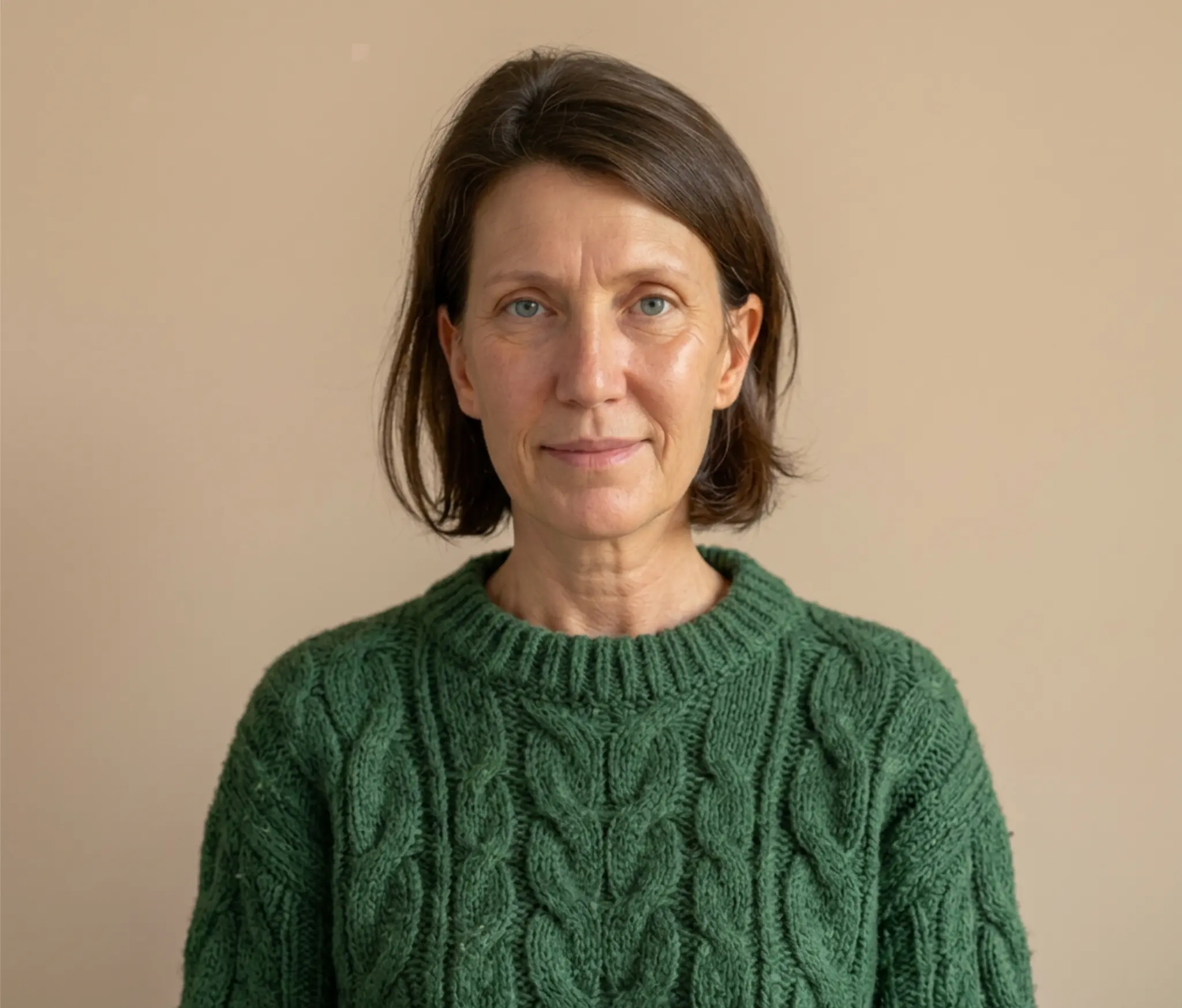
My name is Richanda, and I’m a BACP registered counsellor, working within my own practice, Inner Path.
I came to this work because I value the importance of having somewhere safe to talk, especially during times in life that feel uncertain, overwhelming, or painful. I understand that reaching out for support isn’t always easy, and I aim to offer a space that feels calm, steady, and human.
At the heart of my work is the belief that we all have the capacity to heal, and that this process begins within us. Counselling is not about being 'fixed,' but about gently reconnecting with yourself, making sense of your experiences, and finding your own way forward in a way that feels right for you.
I see therapy as a collaborative process, where we work together at your pace. Sometimes that means exploring difficult feelings or experiences, and sometimes it simply means having space to breathe, reflect, and be heard without judgement.
Your journey awaits - and I will meet you wherever you are on the path.
Who I Work With
My work as a counsellor is about creating a supportive and steady space where you can explore what is going on in your life, without pressure or judgement. I work with people facing a wide range of experiences, including life changes, anxiety, low mood, relationship difficulties, and the impact of difficult or traumatic experiences.
I also support children and young people, and I have particular experience working with neurodivergent clients and those from LGBTQ+ communities. My aim is to offer a space that feels respectful, inclusive, and safe to be yourself in.
My Approach to Therapy
At the centre of my approach is the belief that we all have the capacity to heal, and that meaningful change begins from within. Therapy can help you reconnect with yourself, understand patterns that may feel stuck or overwhelming, and begin to move towards a way of living that feels more aligned and manageable.
Sessions are guided by you and your pace. Some people come with something very specific they want to work on, while others use the space to reflect, untangle feelings, or simply have somewhere to be heard. Both are equally valid.
Moving Forward
Through this process, clients often find a greater sense of clarity, self-understanding, and emotional relief. My role is to walk alongside you as you explore your own inner path — gently, thoughtfully, and at a pace that feels right for you.
What issues can counselling help with?
People come to me for help a wide range of issues. Here are a few of the more common difficulties that can be supported through counselling:
Trauma and PTSD
Anxiety
Life transitions and adjustment issues
Confidence and self-esteem
Identity concerns
Behaviour or habit-related problems
Relationship problems
Stress and burnout
Mental health conditions and symptoms management
Concerns relating to diversity and neurodiversity
Supporting you as you explore your world and, when the time feels right,
helping you take meaningful steps towards lasting change.
What my clients say...
Fees & availability
I offer weekly counselling sessions, each lasting 50 minutes. Sessions take place in a safe and confidential space where you can talk openly and at your own pace.
My standard fee is £50 per session. I offer a reduced rate of £40 for students and pensioners, to help make counselling more accessible where possible.
If you’re unsure about starting therapy, we can also arrange an initial session to see how it feels and whether working together is the right fit for you. The initial session is 30 minutes.
Get in touch
Feel free to contact me if you have any questions about how counselling works, or to arrange an initial assessment appointment. This enables us to discuss the reasons you are thinking of coming to counselling, whether it could be helpful for you and whether I am the right therapist to help.
You can also call me on +44 7879363600 if you would prefer to leave a message or speak to me first. I am happy to discuss any queries or questions you may have prior to arranging an initial appointment.
All enquires are usually answered within 24 hours, and all contact is strictly confidential and uses secure phone and email services.
Frequently asked questions
You don't need to be in crisis to benefit from therapy. Many people seek support when they feel stuck, overwhelmed, anxious, low in mood, or simply want a space to better understand themselves and their relationships.
There’s no fixed or ideal length of time for the counselling process; it varies from person to person and will often depend on the depth of the issues they are facing. While I can work on an open-ended basis with clients, I find it is helpful for us to both agree before we start on undertaking a certian nunebr of sessions and reviewing where we are at once we reach that point. You are able to decide how long your therapy willl last, and in return my aim is to make sure therapy continues for only as long as it is of benefit to you.
This depends on what your needs are. Some people find that after only a very few sessions they have some clarity and focus and are ready to end the therapy. Other people value the ongoing support and relationship with me and will continue to come for weeks, months, or even years. There is no 'one-size-fits-all' when it comes to therapy.
Research consistently shows that the relationship between therapist and client is one of the most important factors in successful therapy. Our initial session is an opportunity to see whether working together feels
comfortable and helpful.
Confidentiality is one of the main ways in which therapy differs from many other forms of helping - for example, talking to friends or family can rarely offer the same degree of confidentiality as talking to a counsellor. Because of this confidentiality, you will find that - as you get used to coming for therapy - you are freer to talk about whatever you wish to.
No therapist can offer 100% confidentiality: there are some situations where the law requires disclosure of risk (e.g. certain child protection issues) and in common with most other therapists, there are some situations where I may not be able to keep total confidentiality. In particular, if someone tells me that they are thinking of harming themselves in a way that I believe puts them at serious risk, or if someone tells me that they are doing something that could put others at risk, I may not be able to keep such information confidential. However, breaking confidentiality is rare, and only happens after talking to the person concerned.
When you come for counselling it's important that you feel free to talk about whatever is important to you. Sometimes, you may not be clear what those issues are. Having a friend or family member with you is not usually helpful because they may have their own agenda for you. Even if this is just that they want to be supportive, or want you to 'get better', this agenda can prevent us opening issues up. When you come for therapy, you may need to explore thoughts or behaviours about which you feel ashamed or embarrassed and you may censor yourself so as not to hurt someone, or you may find that what they want you to talk about is not really what you need to discuss.
Sometimes, family/friends can even be part of an underlying issue which needs to be aired and discussed. Usually, people who ask this question are nervous about coming for a session alone, or they are anxious for the person who is thinking about arranging sessions. This anxiety is quite normal, and you will not be forced to talk about anything you feel uncomfortable about - but you do need to be able to talk about whatever is important. For this reason, I do not see clients accompanied by friends or family
It's common to feel unsure about where to begin. Therapy provides a space to explore whatever feels important, and we can work together to find a starting point.
- MSc Psychology
- Level 4 Diploma in Therapeutic Counselling
- Leve 4 Diploma Rape and Sexual Abuse Counselling
- Level 6 Award Diploma in Trauma Informed Practice
- Level 6 Diploma in Counselling Children and Young People
- Certified Autism-Informed Practitioner